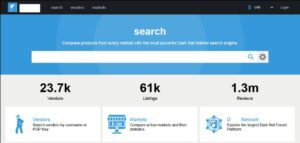
Known for its accuracy, Deep Search stands out by delivering precise and useful results, avoiding the spammy links commonly found on similar platforms. Torch is one of the oldest dark web search engines, having served the darknet community for years. It boasts a vast archive of over 400,000 pages, providing comprehensive coverage of .onion sites, including forums, blogs, and marketplaces.

Tor Over VPN (Recommended)
It’s not the only network on the Dark Web – for example, you may have heard of the Freenet anti-censorship network – but it’s by far the most popular. Since your connection is routed through multiple tor relays, page loading times can be very slow making effective searching extremely time-consuming. Not only is browsing via tor more secure, it also is more private as it effectively shuts out online trackers. The Tor browser is based on Firefox and makes use of extensions like ‘NoScript’ to prevent harmful code from loading and there’s a built-in ad blocker (see below).
What Is The Role Of Relays In Tor?
This hides your Tor usage from local networks, masks direct Tor connections, protects against network-level surveillance, and reduces the risk of being flagged for accessing privacy tools. You won’t be able to search the dark web with a regular browser (such as Chrome or Firefox). Besides, your online activity on such browsers is visible to your ISP unless you connect to a VPN service.
The Legality Of Accessing The Dark Web
Other dark web search engines worth investigating are Ahmia, Torch, NotEvil, and the Onion URL Directory—just type out some keywords for what you’re looking for. Some of these sites can be found through regular web browsers, but you’ll then need to switch over to Tor once you’ve got the onion links you want to follow. This added layer of security and anonymity is crucial when accessing the Dark Web, where privacy is a top concern. While VPN over Tor is a bit more complicated to set up, it protects you against malicious exit nodes.
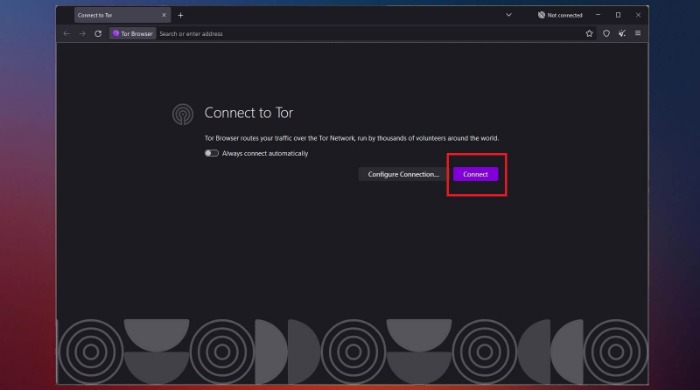
How To Get On The Dark Web On Tor Browser
In the early 2000s, Tor was released to the public and became popular among users who wanted to protect their privacy online. The dark web, a small part of the larger deep web, began to emerge as a result. If you’re interested in marketplaces, start by learning about the top darknet markets. These platforms are hubs for various services and goods, and understanding their features is key to navigating them safely. Learn how to safely access the dark web with this comprehensive guide for beginners. Sites on the dark web don’t come with easy-to-remember URLs, and many disappear suddenly.

Deep Web Search Engines
The dark web is a part of the internet consisting of hidden sites that aren’t indexed by conventional search engines. VPNs are often recommended as protection in such cases, but Whited disagrees. Indeed, Facebook, The New York Times and now even the CIA have sites on the dark web, hosting “onion” versions of their pages that can be accessed via the Tor browser. The spy agency is hoping to securely and anonymously collect tips, though its entire website, including job listings, are available on the onion service. Some alleged services like the professional “hitmen” may just be scams designed to profit from willing customers. Reports have suggested the dark web offers many illegal services, from paid assassinations to trafficking for sex and weapons.
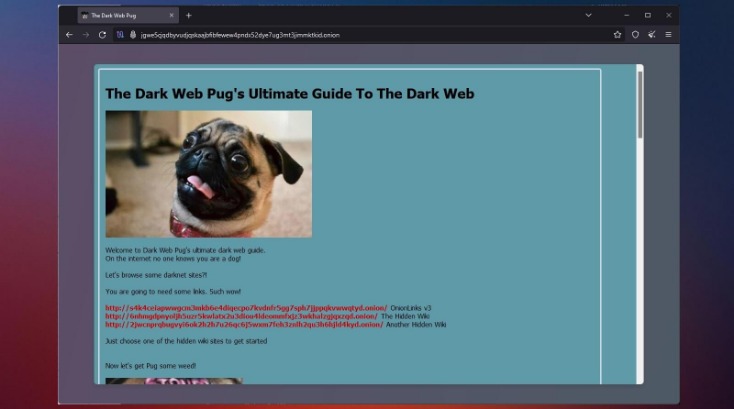
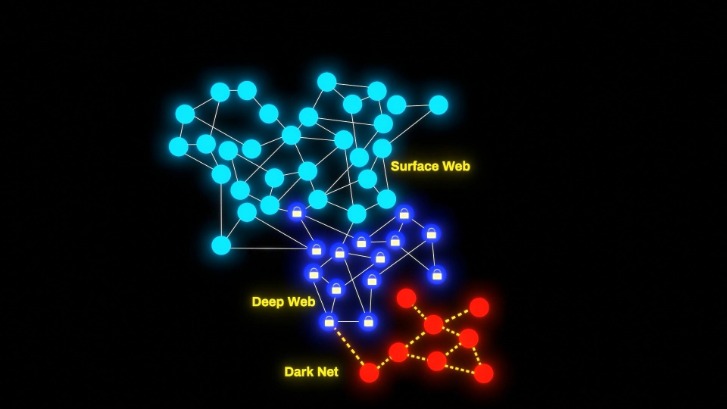
A vast number of URLs have domain endings such as “.onion”, which means that the URLs are only accessible by Tor users. As you are now familiar with the three different sections within the entire world wide web, let’s take a closer look at how you can access the dark web anonymously. Absolutely no one knows who’s surfing on the dark web, who is selling, who is buying or anything like that – as long as you take the correct safety and online privacy precautions. You can also find email messages, online bank statements, and much more information on the deep web – information that is usually private and inaccessible by the public on the surface web. Pixel Privacy believes in digital privacy and does not believe in using it for heinous and/or illegal activities, and so the focus of this article will be on legal activities. When you’re done surfing or shopping on the dark web, don’t forget to shut down Tails.
Browse Privately

Following best practices for online anonymity helps, but staying cautious is essential since no method is completely foolproof. OnionLand offers a clean design with a simple user interface that includes search suggestions. The search engine allows you to look for old V2 onion addresses, images, and content on I2P. It also conducts searches across both the clearnet and dark web by leveraging multiple indices, so you can filter searches to focus exclusively on the darknet or span both realms. The dark web refers to websites that are not on the regular internet but are instead hidden in a private network that is only accessible using specialized web browsers, such as the Tor Browser.
Formerly known as Archive.is, it is one of the best onion sites on the dark web. It aims to preserve the internet’s scientific and cultural heritage. This service is a good source of statistics if you have a school project requiring research on Tor and the dark web. However, note that the site only uses non-sensitive and public data for the metrics. The Tor Metrics is a good place to get more information about the Tor project. It collects data from the public Tor network and archives historical data of the Tor ecosystem.
Engaging in illegal activities can lead to severe consequences, and exposing personal information or engaging with malicious individuals can compromise your privacy and security. The dark web is a double-edged sword, offering anonymity but also posing significant risks. It’s a hub for illicit activities, with cybercriminals ready to exploit any weakness. Without the right precautions, your IP address could be exposed, leaving you vulnerable to hacking, tracking, or even identity theft.
- Using a VPN in conjunction with the Tor (The Onion Router) browser is the best way to access the dark web safely.
- This makes it slower than a VPN and also very difficult to try and get a new IP address in a specific country, which is easy to do with a VPN.
- Attackers can use tools like keyloggers to gather your data, and they can infiltrate your system on any part of the web.
- This means your ISP can’t see that you’re accessing the dark web (or indeed, the specific sites you’re accessing).
Accidentally downloading or viewing illegal materials may result in severe legal consequences. Cybercriminals often disguise malware within legitimate-looking files to trick users into compromising their own security. Once downloaded and opened, these files can install viruses, spyware, ransomware, or other harmful software without your knowledge. Security solutions like anti-virus software protect your system and network from malware and other threats.
You’ve no doubt heard talk of the “dark web” as a hotbed of criminal activity — and it is. Researchers Daniel Moore and Thomas Rid of King’s College in London classified the contents of 2,723 live dark web sites over a five-week period in 2015 and found that 57% host illicit material. The dark internet is designed to provide anonymity by keeping communication private through encryption and routing online content through multiple web servers. While the dark web is often depicted as an anarchic forum for criminal activity, that’s not necessarily true.