It’s usually ransomware groups that use onion.ly links because when a victim’s device is infected with ransomware, they are directed to a dark website that contains the ransom demand. The victim can access this onion.ly website with their regular browser. Using dark web search engines is generally legal, as simply browsing or searching the Tor network isn’t prohibited in most countries—it’s the activities you engage in that matter. Navigating the dark web is fraught with risks, from malware to legal traps. NotEvil, a successor to TorSearch, is a dark web search engine launched in the mid-2010s, designed to index .onion sites with a focus on privacy and safety. Its name is a nod to Google’s former motto, “Don’t be evil,” positioning it as a moral alternative to unfiltered engines like Torch.

The Z-Library functions as an intricate network of hundreds of interconnected web domains and is available through TOR and I2P platforms. Based on the criteria outlined above, here are the top dark web search engines in 2024. No, many .onion sites serve legal and ethical purposes such as secure communications, anonymous sharing, and journalism support.
Tornet Global Search

Crimes range from data theft and selling illegal goods for cryptocurrencies to human trafficking and more severe offenses. However, it’s important to note that the decentralized nature of Ahmia also comes with some potential drawbacks. As the search engine relies on community contributions, there is a possibility of incomplete or outdated information being presented in the search results. And don’t forget that the usual online safety tips apply wherever you surf! Play it safer by never clicking on suspicious links or you may end up on a website infected with malware. This can help keep you and your data safer from malicious attachments that need an internet connection to wreak havoc.
The CSO Guide To Top Security Conferences
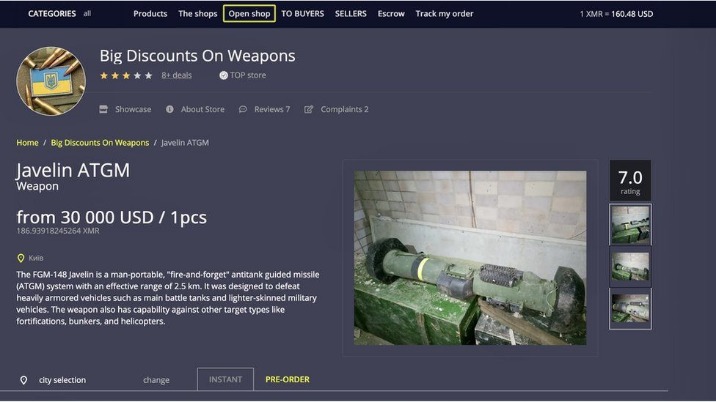
Scammers prowl the dark net, launching fake storefronts that vanish overnight, often with their victims’ money. In 2017, a global police operation brought down AlphaBay, the dark web’s largest illegal marketplace, shaking the underground economy. It quickly outgrew its military roots, emerging as the Tor browser, a free gateway to the dark web’s digital back alleys. It is now one of the most widely used browsers to access the dark web. It’s a lifeline for activists, whistleblowers and journalists seeking safe spaces to connect and speak freely. Social platforms buzz with anonymous conversations, even as law enforcement hunts through digital shadows to crack down on criminal rings.
Ready To Explore Web Data At Scale?
These are the top 10 dark web search engines that allow easier access to the hidden corners of the internet. These search engines allow users to access onion dark web pages without setting up expermental labs or using specialized equipments. You might have arrived here through Google, but you’ll be hard pressed to use Google to get to the dark web. The reason you can’t simply search for dark web content on search engines like Google while using browsers like Chrome is that they do not have dark net access. As most users of popular search engines don’t use dark net software, popular search engines simply don’t crawl for them. While technically not a search engine, we’re including The Hidden Wiki for its helpfulness in exploring the dark web.
DuckDuckGo (Dark Web Version)
NotEvil could evolve its filtering to include trust scores, leveraging community reports and AI to flag phishing or malware-laden sites. NotEvil’s free-only model offers a safe, broad alternative but lacks the depth or features of Haystak’s premium plan. For most users, free engines like Ahmia, DeepSearch, or NotEvil offer a better balance unless deep, niche research is required.
This enhances privacy against attacks but causes temporary downtime or broken links. This enhances security but requires users to verify via trusted sources like r/onions, tor.taxi, or DuckDuckGo. Keep an encrypted offline list of updates to maintain access without interruptions. They support targeted searches for corruption data or censored news, with features like Ahmia’s API for automated workflows.
- Yes, OnionLand supports image and video searches on .onion sites, pulling from indexed media with suggestions for refined queries.
- The service emphasizes privacy with zero-knowledge encryption and no registration requirements.
- Yet, it reported everything but that showing how far these search engines have to go in order to improve.
- As always, use Tor Links with care, as it includes onion links to dubious or illegal activity.
- While people and organizations do host legitimate and useful sites on the dark web, it’s still best to tread cautiously.
How To Download Tor Browser?
This means you will get a VPN’s security and enjoy the anonymity of the Tor network simultaneously. ActiveX and Java frameworks are susceptible to being exploited by hackers. Since you are navigating in uncharted territories with all the myriad threats today, you’ll have to disable them in your network settings to stay safe. Since malware lingers across the dark web, your device can easily become infected, even if you are an unsuspecting user.
What’s The Difference Between Torch And Ahmia?
In addition, they share information of great importance, about the Tor network and the Tor project. The search engine provides several special features beyond the original word. These include weather forecasts, maps, calculations and Boolean operations as inclusion or alternatives among others. Adamant offers blockchain-based secure messaging without needing phone numbers or email addresses. The platform stood out during my testing for its commitment to anonymity — all messages are fully encrypted and stored on a decentralized network. It’s particularly useful for sensitive communications that need to remain private.
This isolates any potential malware and prevents cross-contamination with your personal data. Using Tails OS can further security, as all your data is reset every time you close the device. Pitch is a dark web-based Twitter/X alternative, providing a secure platform for anonymous discussions and information sharing.
Can Search Engines Find Everything On The Dark Web?
Using a VPN with Tor provides an extra layer of protection when accessing the dark web. This means your ISP (internet service provider) won’t know you’re using Tor, and potential attackers on Tor can’t easily track your true IP address at vulnerable nodes. A dark web search engine is a tool that helps users find content hosted on the dark web, specifically .onion websites, which are only accessible via the Tor network. While it doesn’t index dark web content, it’s the default search engine on the Tor Browser because of its strong privacy features and lack of tracking. For searching within the dark web, specialized tools like Torch are better, as they specifically index .onion sites and hidden content. When browsing the darknet, avoid sharing personal information, use strong and unique passwords, regularly update your software, and steer clear of illegal activities.
Step 3: Strengthen Your Security And Anonymity

Filtered engines (Ahmia, NotEvil) and directories (Torlinks) minimize dangers, while unfiltered tools (Torch, Haystak) require expertise. Balancing these trade-offs with robust security ensures safe, ethical exploration. In 2025, NotEvil helped me find a privacy tool safely, but a risky marketplace link slipped through, avoided only by verification. These experiences taught me to use Tails OS, verify links, and stick to filtered engines for sensitive work. However, privacy risks (e.g., AI tracking, regulatory overreach) demand vigilance. Staying updated via r/onions, tor.taxi, or security blogs will be crucial to leverage these advancements safely.