Its “Tor Anonymous View” feature enables users to view content from dark web sites securely, masking IP addresses and preserving privacy without relying on JavaScript or tracking mechanisms. Ahmia is a search engine that aims to make searching the dark web more accessible and safer. While compatible with “.onion” services, Ahmia also filters search results to exclude potentially harmful or malicious websites. This filtering distinguishes it from other dark web search engines that provide uncensored results. Ahmia can even be accessed through regular web browsers to find “.onion” addresses, although a dark web browser like Tor is still required to access them.

Are Dark Web Search Engines Legal?
Wasabi Wallet is a Bitcoin wallet that not only hides all your data in the Tor network but also allows you to “join” your transactions with others to increase your anonymity. Archive.today is considered an important tool to track changes across government and corporate websites, preserve cultural heritage, and keep knowledge outside of autocrats’ reach. You can archive any site you want, or retrieve historical records wherever available.
Verified Social Channels And News Sites
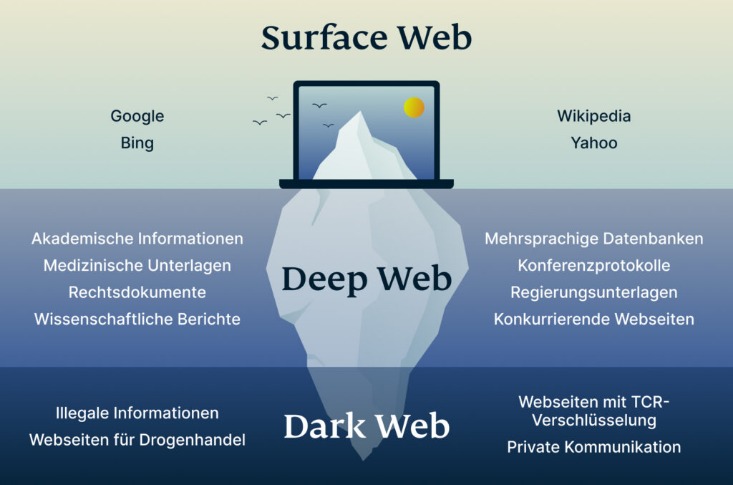
One can also find drugs, crime services, stolen cards, and other illicit activities being offered by hackers. Using a dark web search engine is not illegal, and accessing dark web sites and services is generally legal. However, engaging in illicit activities on the dark web is illegal—just as it would be anywhere else—and punishable by law. Search engines are integral to the web browsing experience, but only about 10% of all websites are indexed on a typical search engine. The remaining sites, including those on the dark web, won’t show up when you search Google—they can be accessed only with a direct URL, IP address, or deep web search application.
- This unique approach aims to provide users with a more comprehensive search experience across different types of online content, including content found on the dark web.
- The Not Evil is relatively safe, as it doesn’t track users; however, it doesn’t filter malicious content, so caution is still needed.
- While majority of these websites may be illegal, quite a number of legal sites exist as well.
- When browsing the darknet, avoid sharing personal information, use strong and unique passwords, regularly update your software, and steer clear of illegal activities.
- Others like Torch may return multimedia links indirectly, but specialized filtering is rare due to Tor’s bandwidth limits.
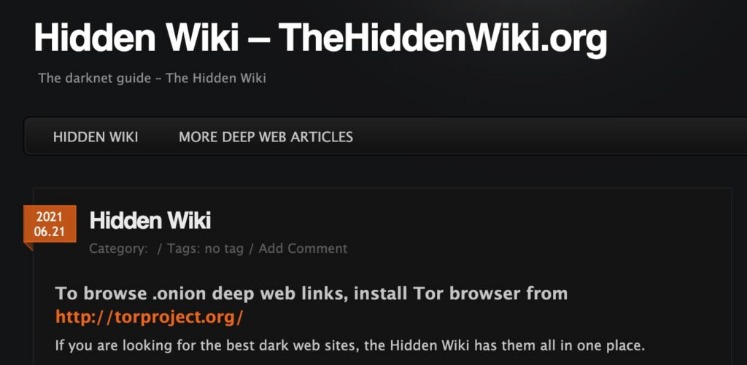
Keybase also offers extremely user-friendly secure chat and file-sharing services through its app. One of the most popular ways to get around the dark web is not to use a search engine at all. Just like in the old days of the internet, the dark web maintains numerous indexes of sites, like The Hidden Wiki. Your real information could be exposed at these nodes, allowing third parties to intercept your dark web activity. That’s why we recommend connecting to VPN before accessing Tor—VPN encryption protects your data, and changing your IP adds an extra layer of privacy to protect you.
DuckDuckGo
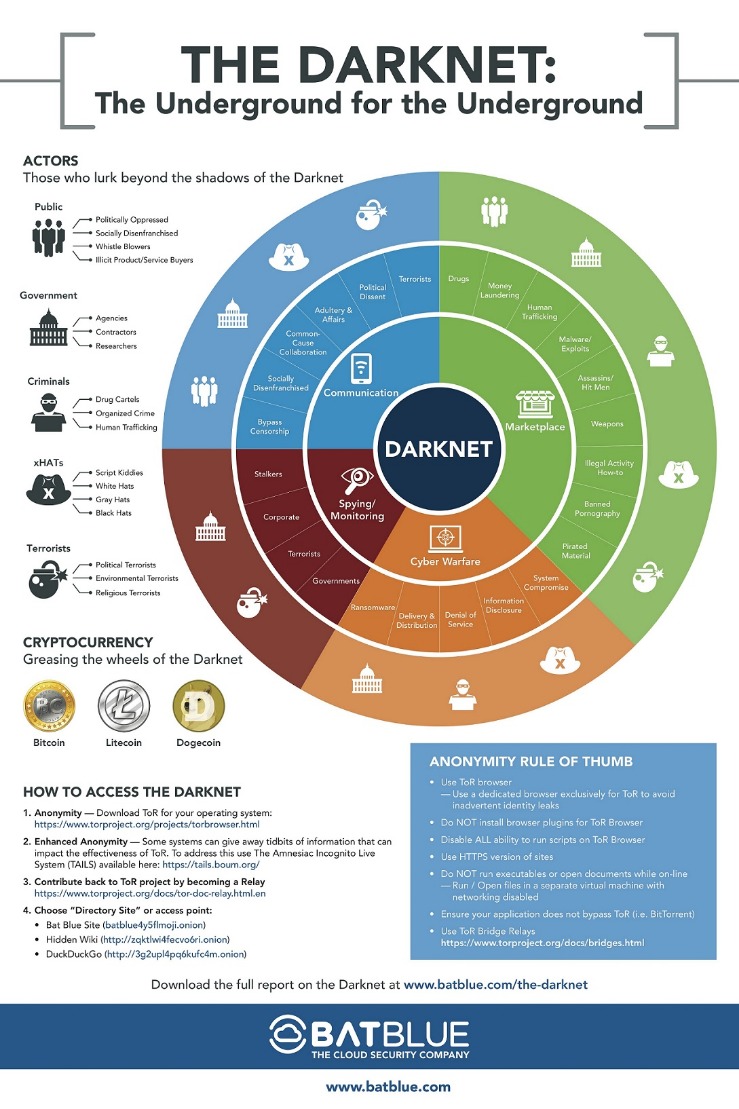
Even with Tor and onion routing in place though, you’re not suddenly completely invisible and free to do whatever you want, without repercussions. Certain details of your traffic can be intercepted at the entry and exit points of the node, by the people running those nodes, if they know what they’re doing and what they’re looking for. You’re also open to threats like end-to-end correlation attacks, so while Tor is a lot more secure and private, it’s by no means completely safe. To get on the dark web, you need a browser built for the job, and the best in the business is Tor. Tor is a browser engineered for extra security and privacy, and can be used to navigate the normal, surface web as well as the dark web. It blocks trackers, prevents user fingerprinting, encrypts data, and reroutes your browsing so no one can see where in the world you are.
Halo Security Enhances Platform With Custom Dashboards And Reports
True to its name, Onion Search Engine (OSE) stands out as a feature-rich hidden web search engine, offering a unique blend of text and multimedia searches. While the basic version may display occasional static ads unrelated to search results, they do not impede functionality. Whether opting for the basic or premium version, users can navigate the dark web with ease. Additionally, Torch prioritizes user privacy, implementing measures to prevent web tracking, further ensuring a secure browsing experience.
- Whether on the clearnet or the dark web, using search engines and other browsing tools can lead to data leaks that expose your search history and other personal information.
- It’s a hidden layer of the internet beyond the reach of traditional search engines.
- Unlike other dark web search engines, Ahmia has a policy against “abuse material” and blocks them.
- It is designed to index and search onionspace, the hidden services portion of the Tor network.
- One can also find drugs, crime services, stolen cards, and other illicit activities being offered by hackers.
How Do Dark Web Search Engines Handle Privacy Compared To Surface Web Ones?
He was formerly the Chief Financial Officer and a principal shareholder of Apollo Solutions, Inc., which was acquired by CNET Networks. Even completing a transaction is no guarantee that the goods will arrive. Many need to cross international borders, and customs officials are cracking down on suspicious packages.
How To Set Up And Use The Tor Browser To Search onion Sites
Through the dark web, users in places of high censorship can also access information and news. You can’t access these .onion sites from your normal web browser like the one you’re probably viewing this page on. Tor (The Onion Router) is a free and open-source dark web browser that enables anonymous communication by routing Internet traffic through a volunteer network of over 6,000 relays. The Tor Browser opens access to “.onion” sites, unique addresses within the dark web.
Understanding the inherent dangers of the dark web and taking proactive safety measures are essential for a secure dark web experience. The dark web, which is what I’m discussing here, is a small subset of the deep web, and refers to websites that are specifically trying to stay out of sight. It’s a part of the internet that’s less regulated and more shadowy, for better and for worse. Your safety on the dark web depends more on cautious browsing habits than any single security tool. While a VPN adds valuable protection, being selective about which sites you visit and never sharing personal information are equally important.
Security And Privacy Features
The BBC news website has a special .onion site, which you need to access via the dark web. Its goal is to offer anonymous access to the content without being censored, no matter where you live. As a result, it not only focuses on the UK but also provides worldwide news.
Step 3: Strengthen Your Security And Anonymity
Link lists like The Hidden Wiki are another option, but even indices also return a frustrating number of timed-out connections and 404 errors. DuckDuckGo is a search engine located in Valley Forge, Pennsylvania, United States. This engine uses information from publicly sourced sites (such as Wikipedia) with the aim of increasing traditional results and improving relevance. Its philosophy emphasizes privacy and not registering user information. OwlyScan fully adheres to French legal frameworks, including those governing RIFI (internet leak research), and complies with EU regulations as a search engine.
It does have sponsored listing at search result page like other search engines but it brings a ads-free homepage to you. Additionally, It offers direct navigation to most popular searches which you will find at bottom. This website does not vouch for the legitimacy or authenticity of the products, vendors, advertisements, links, or anything else on any of these search engines. That is the reason why I recommend using a VPN in addition to TOR when accessing any of these search engines. While majority of these websites may be illegal, quite a number of legal sites exist as well. E.g. some sharing conspiracy theories, personal projects/diaries, or even anonymous social networks.
Some sites might use these details for advertising, analytics, or tracking your online preferences.