As law enforcement operations targeting traditional dark markets have intensified, criminals have increasingly shifted to alternative platforms, with Telegram emerging as a popular choice due to its focus on user privacy and encryption. Saribekyan and Margvelashvili (Saribekyan and Margvelashvili, 2017) provided a comprehensive review of Telegram’s security features, which help explain its appeal to criminals. Boersma(Boersma, 2023) also identified key attributes, such as end-to-end encryption and relative anonymity, that make Telegram appealing to malicious actors. The platform’s allure lies in its security features, while the broad range of criminal activities taking place within it underscores the ongoing challenges of surveillance and regulation. These forums are typically dominated by a small group of experienced members who share a range of illicit resources (Afroz et al., 2013). Consequently, many cybercriminals have turned to alternative platforms such as social media, which provide a more dynamic, decentralized environment for exploiting vast user bases while evading traditional security measures (Elezaj et al., 2021).
Latest Posts
For law enforcement agencies, dark web forums act as virtual gathering spots for cybercriminals to trade illicit goods and information. Monitoring these forums not only helps identify potential threats but also provides actionable intelligence for investigating and dismantling criminal networks. Consequently, this aids in preventing various illegal activities, including drug trafficking, identity theft, and online fraud.
- Party drug prices are falling on the encrypted messaging app despite claims of record seizures by authorities, VICE News analysis shows.
- MegaMedusa is compatible with Debian, Ubuntu, Kali Linux, Termux, and Windows, making it widely accessible.
- A privacy researcher, Matt Brown of Brown Fine Security, found a number of vulnerabilities in Motorola Reaper HD license plate readers.
- That might sound cool if you’re sending messages to a loved one, but it also means that third parties can’t access illegal content—or do anything about it.
- While this channel might technically be safe as it only posts links, channel users might participate in crypto scams and fake offers of NFTs, putting you at risk.
- Additionally, we’ll cover core similarities and key differences between each platform in order to better understand that not all cybercriminal based communities are created equally.
Telegram For Education: Innovative Ways To Use The App For Learning
Over time, numerous malicious groups have established Telegram-based cybercrime networks, leveraging the platform to distribute stolen data, organize hacking campaigns, and conduct dark web operations. The absence of strict content moderation previously allowed hacktivist collectives, cybercriminal groups, and ransomware affiliates to thrive, using Telegram as an extension of the dark web ecosystem. Despite recent policy changes and enforcement efforts, the platform remains a critical part of the dark web monitoring landscape, where cybercriminals continue to engage in data leaks, DDoS-for-hire services, and other illicit activities.
Educational Dynamics And Knowledge Sharing
Because of this risk, some sources have even labeled the app as a destination for cybercriminals1. And although Telegram’s owners have taken measures to limit the number of cyber threats (for example, by eliminating some of the Chinese cybercrime markets2) the risks seem to persist. Encryption is an interesting topic when it comes to illicit cybercriminal activity. Telegram offers end-to-end encryption for messages by default, which helps to avoid potential man-in-the-middle attacks that can snoop on messages in transit.
However, it has also allowed numerous dark web forums and other nefarious groups to move onto the messaging app as well and create illicit channels successfully. More recently, there has been a spike in illicit activities moving into online messaging applications like Telegram. Combined these two facets of cyberspace host a plethora of criminal activities carried out by threat actors. Beyond system exploitation tools, several tutorials focused on promoting social engineering tactics (other than phishing).
Interestingly, 14.4% of the posts included links that directed users to interact with a bot . This approach is likely designed to evade security detectors, as the pirated content is not directly available from the post. Figure 5-a shows an example of a channel that shared episodes of One Piece (Piece, 1999) in a sequential format on a weekly (or bi-weekly) basis as they are released. Stolen credentials, often obtained through data breaches or other malicious means, are crucial tools for cybercriminals. They include usernames, email addresses, passwords, and other sensitive information that can grant unauthorised access to individuals’ and organizations’ accounts. These stolen credentials are then sold or shared within illicit Telegram channels, providing easy access for cybercriminals to exploit their victims.
Key Differences Between Illicit Telegram Channels And Dark Web Forums
Here are some real examples of the most relevant data leaks appearing on Telegram. Check out our Threat Spotlights on leaked credentials and on leaked credentials and geography. Though threat actors can buy and sell infected devices on established autoshops, they can also be found on Telegram channels. Free, encrypted, and fairly anonymous, Telegram has been home to several criminal forums and marketplaces for years. Additionally, a manual check found that most messages contained images of samples of the illicit content these groups tend to trade in, including stolen credit card information and illegal substances.
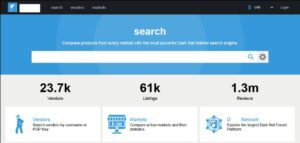
Darknet Telegram Directory
- In Blackhat Resources channels, users frequently ask for help with tool functionalities or seek advice on specific hacking techniques.
- This tool enables users to launch scalable DDoS attacks with minimal technical expertise.
- The services were designed to help cybercriminals hide their crypto transactions and required little to no personal details for users to sign up, the Justice Department reported.
- Users might ask to join certain groups or seek help to increase their engagement, as seen in the message, ”Helllo alguien me acepta en el grupo?
- The absence of strict content moderation previously allowed hacktivist collectives, cybercriminal groups, and ransomware affiliates to thrive, using Telegram as an extension of the dark web ecosystem.
Telegram has always been an open-source platform, which enables people from different regions of the world to connect and chat freely, as the app claims to have end-to-end encryption. This was due to the WhatsApp privacy scandal in 2021, where it was claimed that WhatsApp is sharing its users’ data such as their phone numbers, transaction data, and other service-related information with its parent company, Facebook. This scandal alone gave Telegram enough popularity that it saw 25 Million new users signing up on Telegram in just 3 days. The way darknet actors coordinate has undergone a dramatic shift in the past decade. Once dominated by cloistered IRC channels and hidden .onion forums, the conversation has now moved to mainstream messaging platforms.
BBC News Services
The advantage of these groups over dark web forums is that they offer users an extra layer of anonymity, making it harder for law enforcement or researchers to uncover their identities. As cybercriminals continue to exploit dark web markets, Telegram channels, and underground forums, organizations must take a proactive approach to identifying potential risks. Many underground platforms facilitate the sale of stolen credentials, financial data, and corporate information, making it crucial for businesses to monitor whether their sensitive assets have been exposed.
On the other hand, Illicit Telegram groups require users to scroll through endless messages before finding a discussion thread that may be relevant. This makes it difficult for users to engage in meaningful conversations or exchange information efficiently. There have also been cases of cybercriminal groups using Telegram channels to promote their activity and build a following. By “deep web hacking forums”, we are referring to the likes of BreachForums or Cracked – sites that you are able to visit via regular browsers but which require credentials to post, creating a barrier for non-criminals. With over 500 million active users worldwide, Telegram’s popularity is skyrocketing day by day.
In Blackhat Resources channels, users frequently engage with the content by providing feedback on the effectiveness of various hacking tools. They share both positive and negative experiences, which helps other members make informed decisions about which tools to use. For instance, a user commented, ”i was not able to download it before,” indicating a problem with a specific tool, while another might say, ”Try method 1 or 3 I hope REMCOS working,” suggesting effective methods. This type of feedback serves as informal reviews and fosters a sense of community where members help each other solve problems. In contrast, Artificial Boosting channels focus more on mutual promotion and validation.
Organizations must have real-time visibility into these underground networks to prevent data breaches, financial fraud, and cyberattacks. Illicit Telegram Channels and Stolen Credentials have become significant concerns in the world of cybersecurity. Illicit Telegram channels refer to private groups or channels on the popular messaging app Telegram that are operated by threat actors and cybercriminals. These channels serve as underground marketplaces for various illegal activities, including the distribution of stolen credentials. In Blackhat Resources channels, users frequently ask for help with tool functionalities or seek advice on specific hacking techniques.