Nevertheless, it is rather astounding how relatively minor structural changes on a very simple Ph-C-C-N molecule have such a profound influence on its actions. Nothing has been reported about the stimulus effects of PEA (1)-caffeine combinations. But, PEA (1) has been used as a training drug in rats,70 and its training dose (30 mg/kg) was substantially (i.e., 30 to 60 times) higher than those typically employed for (+)amphetamine. The “level of discriminability was low” (with only about half of the animals reliably learning the task) and it was speculated that PEA (1) was rapidly metabolized by MAO.70 Limited tests of stimulus generalization were conducted (and, neither amphetamine nor caffeine was examined).
Data Availability Statement
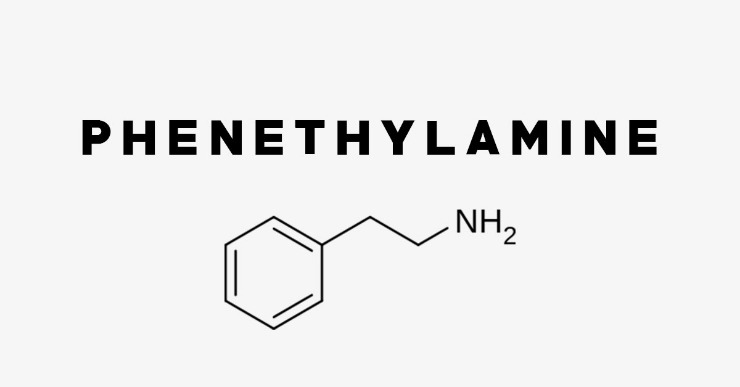
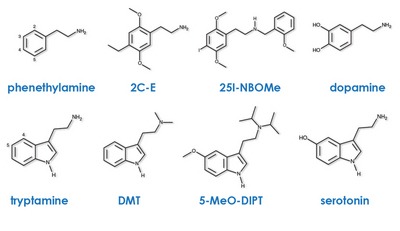
The simplest phenylethylamine, phenylethylamine (1) itself, also known as 2-phenylethylamine, 2-phenylaminoethane, phenethylamine, β-phenylethylamine, or simply PEA. PEA (1; Figure 2), was first isolated and identified by the Polish chemist Marceli Nencki in 1876 (as reviewed by Grandy3). More than 140 years later, PEA (1) and its analogs remain a continuing and fascinating (and, perhaps, growing) topic of interest for medicinal chemists and, as witnessed by the number of new agents appearing on the illicit market, for clandestine chemists as well. PEA binds to C-protein-coupled receptors TAAR1 and TAAR2, receptors reserved specifically for trace amine use.iv These receptors are not used by other major neurotransmitters like dopamine or norepinephrine. Phenylethylamines are a group of phenethylamine derivatives which contain PEA as a backbone. These derivative compounds are formed by replacing one or more hydrogen atoms in the core structure.
Has Antimicrobial Effects
As the endocytosis of D2R mediates the re-sensitization of desensitized receptors (Yu et al., 1993; Cho et al., 2010), the roles of DAT inhibitors in dopaminergic function may be more complex. Unexpectedly, compound 28, which exhibited higher inhibitory activity on DA reuptake than compound 29, exerted weaker disinhibitory effects on the DAT-mediated inhibition of D2R endocytosis. Because the regulation of this receptor endocytosis involves multiple steps, these compounds may affect certain cellular components that directly regulate D2R endocytosis. Reuptake of neurotransmitters released into presynaptic nerve terminals is one of the most important mechanisms responsible for the rapid termination of neurotransmission in synapses (Masson et al., 1999; Torres et al., 2001). It has long been established that the DA released into the synaptic cleft following an action potential positively feeds back onto the DAT function to increase the DA clearance rate.
Factors That May Increase Phenethylamine Levels
In addition, there are various phenethylamine supplements promoted as fat burners, mood enhancers, or energy boosters, which may produce mild stimulant effects. Furthermore, the antidepressant Bupropion (Wellbutrin) shares a chemical structure similar to that of phenethylamine and can enhance its levels in the brain. Due to its stimulating properties, PEA has been researched for its potential to enhance mood and is sometimes included in dietary supplements. As noted by WebMD, individuals may use phenethylamine to improve athletic performance, combat depression, manage obesity, and address other health issues, although substantial evidence supporting these applications is lacking. Researchers believe that when it comes to improving mental health, PEA can be a safe alternative to drugs, such as amphetamine or methylphenidate, which are capable of causing unwanted side effects.

Integrating Your 2C-B Experience
The colchicine binding site is most commonly targeted as a site for microtubule polymerization inhibition27,28. As such, the seemingly enhanced polymerization rates observed in the in vitro polymerization assays with 25B-NBF and 25C-NBF was unexpected. This increase in polymerization has been ascribed to reducing the dynamic instability of microtubules by increasing the stopping time of microtubules31.
Docking Study
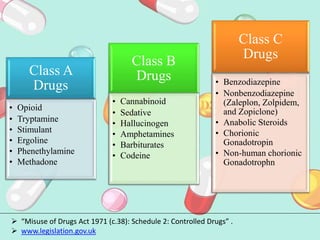
Most classical and non-classical psychedelic drugs are prohibited in the United States under the Controlled Substances Act of 1970. This family of chemical compounds are considered Schedule I drugs, the most tightly controlled and generally illegal class. This includes psilocybin (aka Magic Mushrooms), Methylenedioxymethamphetamine (MDMA), Lysergic acid diethylamide (LSD), N,N-Dimethyltryptamine (DMT), Ayahuasca, Ibogaine, Peyote, 2C-B, Cannabis, and others.
- Tremors, headache, restlessness, aggression and diarrhoea are minor adverse effects, which may be noticed with the phenethylamine overdoses.
- The author wishes to thank his graduate students, postdoctoral fellows, laboratory assistants, and collaborators (who shared co-authorship of many of the papers cited here).
- The distal end of the catheter was threaded subcutaneously and connected to a 22-gauge stainless steel cannula (P1 Technologies, Roanoke, VA, USA), fixed to the head assembly with dental cement and secured with Prolene surgical mesh (Ethicon Inc. Somerville, NJ, USA).
- Numerous endogenous compounds – including hormones, catecholamines such as dopamine and noradrenaline, and many trace amines (e.g. adrenaline, phenethylamine itself, tyramine, thyronamine, and iodothyronamine) – are substituted phenethylamines.
Frequent re-dosing creates a stacking of physical effects, the risks of behavioral reinforcement and addiction as well as adverse reactions such as cardiovascular events, seizures, or psychosis increases. Non-psychoactive phenethylamines include bronchodilator medications used for asthma such as albuterol while psychoactive phenethylamines include psychostimulants such as amphetamine, methamphetamine, and cathinones (‘bath salts’). Psychostimulants such as amphetamine act as ‘releasers’ of norepinephrine and dopamine, which stimulate the sympathetic nervous system. It is release of dopamine in the central nervous system that is thought to drive the habituating and addictive potentials of amphetamine.
Psychedelic Use And Safety Go Hand-in-Hand Explore More Safety And Harm Reduction Tips In This Handy Guide
However, pharmacokinetics and pharmacodynamics may vary between users, and some users may be more susceptible to toxicity 18. Also, it is important to emphasize that drugs currently sold on the internet frequently do not contain the substance or dosage for which they are labeled or given when purchased 19. Other substituted phenethylamines, like amphetamines, can also alter behavior and may cause hallucinations 57. Exercise may improve mood and it has been linked to increased brain phenethylamine in limited studies 36, 37.
Later, animals were trained to discriminate racemic α-ET from vehicle,113 and greater than one year of training was required to establish the stimulus cue (see comments in Section 10 on training animals to discriminate MDA from vehicle). Α-ET stimulus generalization occurred to PMMA and DOM, and partial generalization was seen with (+)amphetamine (Table 8). Taken together, the results indicated that S(+)α-ET was, primarily, a DOM-like agent, R(-)α-ET was more of a (+)amphetamine-like agent, and that both isomers produced a PMMA-like effect. The results are noteworthy because they showed that the stimulus effects of certain indolalkylamines, as well as phenylalkylamines, might be explained by the Venn diagram depicted in Figure 10.
People who take these at even low levels over a long period of time can experience multiple symptoms, including anxiety, seizures, hallucinations, hostility, mania, delusions, depression, irritability, agitation, and blushing. People who use Phenethylamine are also at risk for car crashes, possible heart attacks, hypothermia, memory loss, and drug or alcohol addiction. It is believed that some individuals may develop an addiction to Phenethylamine. As a central nervous system Stimulant, Phenethylamine stimulates the body to create some chemicals that may help with depression and other mental illnesses. As a central nervous system stimulant, phenethylamine is used to treat depression and many other mental illnesses.
Likewise, the PEA biosynthetic enzyme from Enterococcus faecium can be expressed in E. Coli, which leads to large amounts of L-phenylalanine and tyrosine decarboxylase activity (Marcobal et al., 2006). Intriguingly, PEA can serve as a substrate for the synthesis of other drugs, such as sulfonamides that are being used as antimicrobials (Rehman et al., 2012). Subsequent studies showed that α-ET produced MDMA-like stimulus effects (Table 8).

This might cause too much serotonin in the brain and could result in serious side effects including heart problems, shivering, and anxiety. All described compounds, targets and activities were retrieved using “2-phenethylamine” as title or keyword term in the chemical databases SciFinder 247 and Scopus 248. Additionally, a SciFinder and Scopus structure search, with the scope described early in this review (Figure 2), was employed. Takahashi et al. 225,226,227,228,229,230 derived a small series of flexible 2-phenethylamines with analgesic activities, with moderate potency effects when compared with pentazocine or morphine (Figure 20a). Manchado et al. 231 developed quick asymmetric routes furnishing this type of derivative. Spetea et al. 232 developed selective diphenethylamine-based tertiary amines as κ-opioid receptors with 100-fold and 1000-fold selectivity difference compared with its congeners (Figure 20b).
The binding energies of the top 10% are comparable to the predicted colchicine binding energy of − 10.8 kcal/mol. The poses of (S)-form, compound 9 overlapped with and tightly occupied the binding site of hDAT (Fig. 2A). The poses based on Vina, Smina, and Vinardo (Vina family) but not that derived from AD4 perfectly superimposed probably because they are fundamentally different score functions.
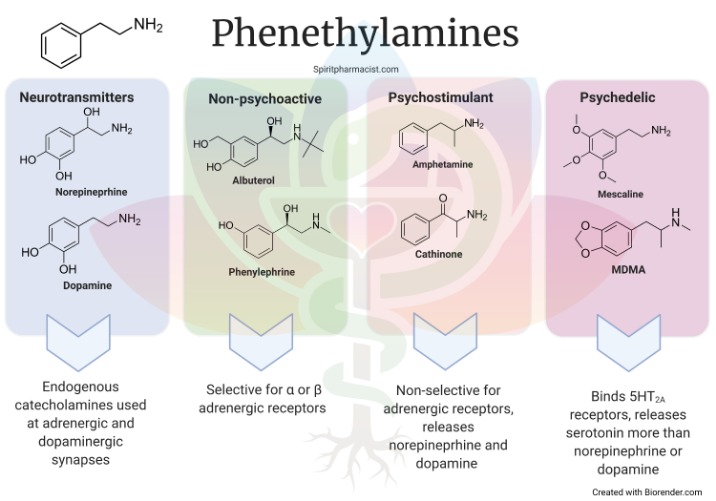
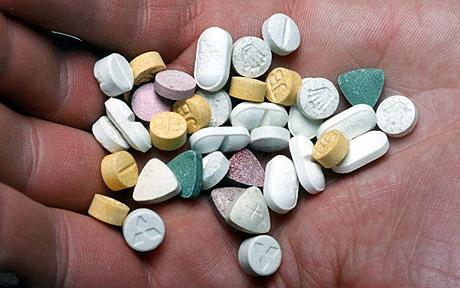
Substances that originate from phenethylamine or possess a similar chemical structure are commonly known as phenethylamine drugs. The United Nations Office on Drugs and Crime classifies phenethylamines as a group of compounds with recognized psychoactive and stimulant properties, which includes amphetamine, methamphetamine, and MDMA. Phenethylamine (PEA) is a naturally occurring substance categorized as a trace amine, which means it exists in small quantities within the nervous system and shares structural similarities with neurotransmitters like dopamine, norepinephrine, and serotonin. This monoamine alkaloid acts as a stimulant, akin to other compounds such as amphetamines. PEA can be found in certain foods, including chocolate and protein-rich items, but it can also be synthesized in a laboratory setting. While phenethylamine and its derivatives may provide short-term mood elevation or stimulating effects, they carry significant risks, particularly when misused.