
Ongoing research, improved early detection methods, and innovative therapies further contribute to the segment’s market dominance. On the other hand, Asia-Pacific is projected to register a reasonably high CAGR throughout the forecast period. The presence of prominent players and rising awareness of chronic disorders are the factors that contribute to the growth of the global prescription drug market.
Customize This Report + Validate With An Expert
Traditionally, innovative medicine growth has occurred most in the years immediately following launch, whereas recent years and the forecast outlook show growth driven by older products. This mix of spending growth between volume-driven growth, and mix-driven changes in the cost of therapy are showing most geographies shifting to more expensive therapies, reflecting the broader availability and patient access to medicines with higher clinical value. The oncology segment is observed to witness the fastest rate of expansion at a CAGR of 6.6% during the forecast period. Cancer is one of the leading causes of mortality globally, and the demand for effective cancer treatments continues to rise.
Companies commissioning modular plants on EU soil may gain accelerated assessment timelines, effectively translating capital expenditure into earlier revenue realisation. We were impressed by the in-depth customization and inclusion of not only major but also minor players across the globe. The DBMR Market position grid helped us to analyze the market in different dimension which was very helpful for the team to get into the minute details. DBMR did an outstanding job on the Global Drug Delivery project, We were extremely impressed by the simple but comprehensive presentation of the study and the quality of work done.
Prescription Drugs Market Scope
This segment involves delivering medications directly into the body through methods such as injections, infusions, or implantations. North America retains leadership with 33.20% share in 2024, propelled by the statutory reality that generics constitute over 90% of prescriptions yet only 18% of spending. The Federal Trade Commission campaign against “junk patents” threatens to accelerate generic entry for 20 high-value brands, potentially adding USD 5-7 billion in annual U.S. generic revenue by 2027. Manufacturers adept at patent-litigation analytics can preload product and capture first-year market shares above 35% for newly unblocked molecules. Other prominent players, such as Viatris, AstraZeneca, AbbVie, Inc., and Lupin Pharmaceuticals, Inc., are focusing on producing and launching generic equivalents of many specialty and orphan drugs. Drug manufacturers’ initiatives are projected to gain substantial market share during the forecast period and positively impact the U.S. market.
Cell-Based Vaccine Market 2025 Size, Growth And Forecast
In the same way, acetaminophen and ibuprofen are frequently used to lessen pain and inflammation brought on by ailments including headaches, chronic pain in the back, and arthritis. Thus, the increasing prevalence of various diseases drives the U.S. over the counter (OTC) drugs market. The future of the generic drug market will be defined by the interplay of these strategic and policy choices.
This has led major pharmaceutical companies to be constantly engaged in clinical trials for the development and, ultimately, the approvals of new products. An increasing number of key manufacturers are shifting their focus toward developing drugs to treat rare diseases. However, the resurgence of routine healthcare services after the initial COVID-19 shutdown and patient visits to healthcare centers increased globally. Moreover, rising R&D initiatives for the development and launch of COVID-19 treatment drugs by major players surged the demand for vaccines and orphan drugs among the population. Moreover, the high emphasis on shifts to homecare settings by patients, along with uptake in the use of biosimilar, a large pipeline of new increased approvals of specialty medications by regulatory authorities, further propelled the drug’s adoption. By end-user, the hospital pharmacies segment held the major revenue share of the drugs market in 2024.
Pharmaceutical Market Size, By Molecule Type (USD Billion)
This is attributed to the increasing burden of chronic diseases and the growing aging population, driving the demand for prescription drugs. According to the CDC’s National Diabetes Statistics Report for 2020, 26.8 million people are living with diabetes, indicating a significant need for prescription medications to manage and treat chronic diseases, thereby contributing to growing demand. North America contributed 33.20% of 2024 global revenue, underpinned by mature substitution policies whereby generics fill more than 90% of prescriptions yet absorb only 18% of spend. The generic drugs market size in the region benefits from the FDA’s high approval cadence and from federal crackdowns on patent evergreening, moves that collectively accelerate early competition and erode branded monopolies. Nevertheless, inflation-linked input costs and upcoming price negotiation clauses will test profitability, pressuring companies to automate quality control, diversify suppliers, and optimize route-to-market economics. By therapeutic application, the diabetes segment held a dominant presence in the generic drugs market in 2024.
Pharmaceutical Sterility Testing Global Market Report 2025
Pricing regulations, reimbursement policies, and patent laws significantly influence market access and adoption, with affordability and equitable access remaining key considerations in both developed and emerging markets. Branded generics, on the other hand, are given names to increase consumer recognition and loyalty. To improve the possibility of patients requesting it by name, it is referred to as Cryselle rather than its generic name (norgestrel and ethinyl estradiol). To achieve cost savings, formulary administrators must examine the drugs on their formularies regularly. When it comes to ways that PBMs avoid complete disclosure of their revenues, there is some friction between formulary managers and PBMs. Some pharmacy benefit consultants believe that one of the ways pharmacy benefit managements hide revenue is through branded generics.
This is in large part because there are a lot ofgenerics approved by FDA, but only a few biosimilars. And a third difference is that Hatch-Waxmanlinks FDA approval of follow-on applications to brand name drugswith the patents listed in the Orange Book covering those products,but there is no equivalent linkage for biologic reference productmanufacturers. In addition to the differences in the approvalpathways, there are other reasons for differences in competitionbetween generic drugs and biosimilars.
Pharmaceutical Market Insights
Also, incorporating biologics, like monoclonal antibodies and cell therapies, is predicted to play a consistently significant role in treating complex conditions like cancer and autoimmune disorders. Although emerging technologies in drug delivery, comprising oral formulations of earlier parenteral drugs like GLP-1s, are optimizing patient access and adherence. Major companies operating in the pharmaceutical drug market are introducing innovative drugs such as Sohonos (palovarotene) capsules to gain a competitive edge in the market. Sohonos is a retinoid indicated for the reduction in volume of new heterotopic ossification in patients with fibrodysplasia ossificans progressiva (FOP). FOP is a rare genetic disorder of the connective tissue characterized by heterotopic ossification, which is the abnormal development of bone in areas of the body where bone is not normally present, such as the ligaments, tendons, and skeletal muscles. The largest driver of medicine spending growth through the next five years is still expected to be the availability and use in developed markets of innovative therapeutics and offset by losses of exclusivity and the lower costs of generics and biosimilars.
- The report then profiles the competitive arena, comparing the strategies of industry leaders and the critical role of patent intelligence.
- This situation can impact profit margins and hinder the ability of manufacturers to stand out in a crowded market.
- Additionally, the growing adoption of digital health solutions and e-prescriptions has streamlined the process, further driving the segment’s expansion.
- The rise in sedentary jobs, busy lifestyles, and changing consumer preferences are affecting the disease profile of the world population, especially non-communicable diseases such as cancer, diabetes, and cardiovascular diseases.
- Factors such as air pollution, tobacco smoking, and indoor biomass fuel use contribute to the high prevalence of respiratory diseases in many countries.
- In addition, key players are adopting various strategies such as product launch, product approval, agreements, partnerships, and collaborations to strengthen their foothold in the market.
- This ensures that generic drugs have the same active ingredients, dosage forms, strength, route of administration, and performance characteristics as their branded equivalents.
- Metformin, metoprolol, amphetamine salt combo, acyclovir, bupropion HCL tablet, cholestyramine, ibuprofen tablet, letrozole, and verapamil are some examples of generic drugs.
- The government must take appropriate steps to encourage global pharmaceutical firms to set up new generic facilities through joint ventures by offering tax breaks.
- Major companies operating in the pharmaceutical drug market are introducing innovative drugs, such as generic cancer drugs, to make treatments more affordable and accessible.
- A generic cancer drug refers to a medication that has the same active ingredients, dosage, safety, strength, quality, and intended use as a brand name cancer drug but is typically sold at a lower price.
Pharmaceutical products face competition from various treatment alternatives, including non-pharmacological interventions like lifestyle changes. Despite the availability of substitutes, pharmaceutical solutions retain demand due to proven efficacy, established clinical protocols, and broad applications across acute and chronic disease management. The respiratory drugs market size is forecast to grow at a CAGR of 5.8%, from USD 18.55 billion in 2025 to USD 30.81 billion by 2034, over the forecast period from 2025 to 2034. Since 2007, 30 biosimilars have been launched in the U.S., with 10 more approved and set to launch by the end of 2023.
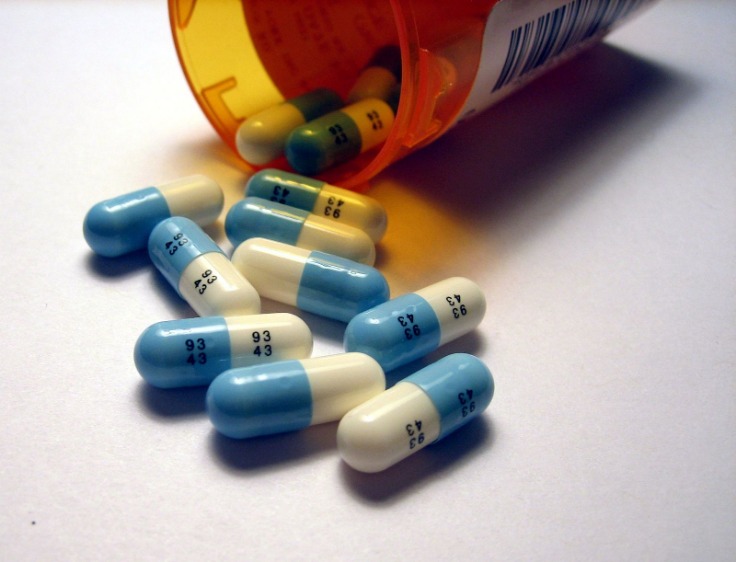
Therefore, safety concerns and regulatory challenges might be a major impeding factor to the U.S. over the counter (OTC) drugs market’s growth. The U.S. OTC drugs market is growing steadily as consumers increasingly turn to self-medication for everyday health issues. With strong support from retail expansion, digital health tools, and regulatory shifts enabling prescription-to-OTC transitions, the market is set to grow at a 6.60% CAGR, reaching nearly USD 44.17 billion by 2034.
As per the scope of this report, a generic drug is a pharmaceutical drug that contains the same chemical substance as that used for the patented molecule. A generic drug is only allowed onto the market when its original drug’s patent period expires. By distribution channel, the hospital pharmacies segment is anticipated to show lucrative growth in the market over the coming years. The segmental growth is attributed to the presence of trained professionals and the increasing number of hospitalizations. Hospital pharmacies contain all the medicines that are prescribed by healthcare professionals. In the U.S., despite accounting for only 3% of total healthcare spending, they offer significant cost savings compared to brand-name drugs.
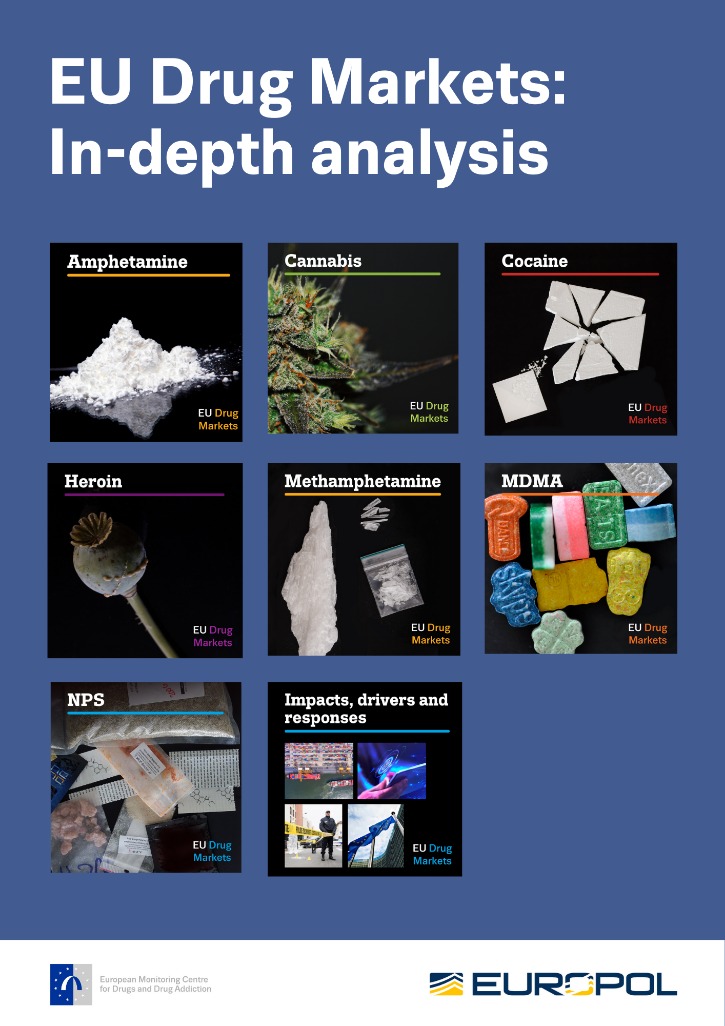
Fortune Business Insights says that the global prescription drugs market size was USD 1,162.61 billion in 2023 and is projected to reach USD 2,151.63 billion by 2032. Despite that, a number of other prominent players, such as Roche, Johnson & Johnson, and Sanofi, also have strong market revenue shares in the global market. A number of companies producing generic equivalents of many drugs, such as Dr Reddy’s Laboratories Ltd., and Lupin Pharmaceuticals, Inc., are also expected to launch a number of products in the forecast period. This is projected to positively impact the global market as these companies are expected to gain market share during the forecast period. The UK possesses strong R&D areas with expertise contributing to the development of novel drugs and therapies, generating impressive approaches for pharmaceutical companies. Along with this, the national health services (NHS) enable a vast and stable market for pharmaceutical products, ultimately assisting market growth.