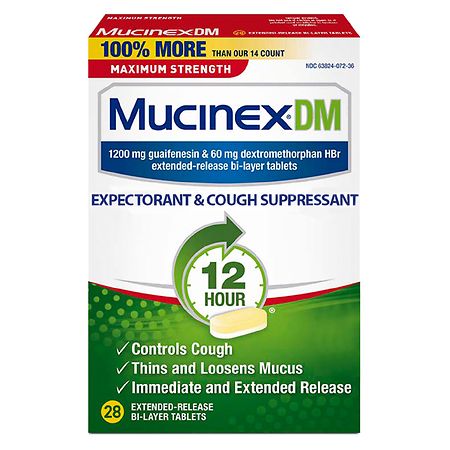
Dextromethorphan is often referred to as DXM and is most commonly used as a cough suppressant in over-the-counter cold and cough medicines. This is because it affects the signals in the brain that trigger the cough reflex. But it cannot treat a cough that is caused by smoking, asthma, or emphysema.
DXM Overdoses
It typically occurs along with other symptoms, like throat pain or irritation. When you have irritation in your throat or airway, your body naturally gets the urge to cough. Talk with your doctor or pharmacist if you have questions about other medications that contain dextromethorphan. Dextromethorphan oral capsule is approved for use in adults and children ages 12 years and older. The recommended dosage is 30 mg every 6–8 hours as needed for cough. Talk with your doctor or pharmacist if you have questions about drinking alcohol while taking dextromethorphan.
The details are kept up to date to help people with addiction treatment needs get the most full and precise facts about the rehabilitation facility. Ketamine Resources, Studies, and Trusted InformationCurious to learn more about ketamine? This guide includes comprehensive ketamine resources containing books, studies and more.
Safety Tips
The most common side effects of dextromethorphan are listed below. Tell your healthcare provider if you have any of these side effects that bother you. Emergency room staff can generally treat most DXM overdoses successfully.
You Deserve Excellent Care And A Rewarding Life In Recovery
It is important for parents to care for their teens by never assuming that they are too innocent to abuse this drug. DXM addiction is real and may lead to severe effects such as liver damage and respiratory complications. Furthermore, DXM can become a gateway to hard drugs for teenagers. The FHE Health team is committed to providing accurate information that adheres to the highest standards of writing. This is part of our ongoing commitment to ensure FHE Health is trusted as a leader in mental health and addiction care. Substance use disorders can be extremely difficult to tackle alone.

Product Key Features
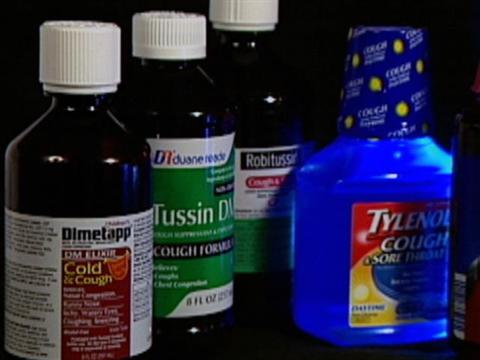
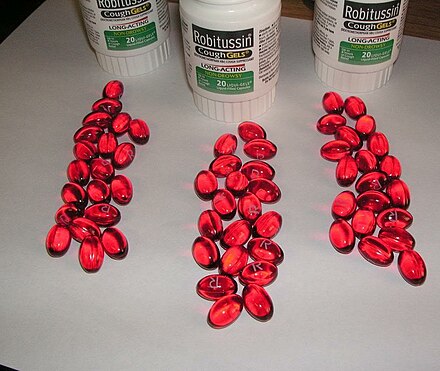
As an over-the-counter cough remedy, DXM is an effective way of dealing with the symptoms of the common cold or flu. DXM belongs to a class of medications known as antitussives, which work to suppress cough by reducing activity in regions of the brain that cause coughing. Typically, people seeking to abuse DXM seek out formulations labeled “Extra Strength” or “DM Max,” which have a high concentration of the active ingredient. Medications that contain other active ingredients, such as acetaminophen or guaifenesin, are typically avoided due to the potential side effects that would occur when taken at high doses.
It will not remove Tylenol or any other drug, so they will end up in your finished product, and could hurt you, or worse. Used over the recommended parameters, however, it can easily become habit-forming. If you find yourself exceeding the recommended doses or tempted to extend its use beyond the recommended timespan, you may be developing an addiction to DXM. According to a 2018 paper by Karami and colleagues, intentional DXM abuse calls to poison control centers peaked in 2006, at 143.8 calls per million population. These rates declined 58.3% from 2006–2015 to 80.9 calls per million population. Currently, the recreational use of dextromethorphan accounts for roughly 6,000 emergency department visits per year in the United States.
Recreational Use
Because of this, it is important to seek emergency care or treatment whenever the signs and symptoms above are observed, as these are more likely to result in coma or death. Dextromethorphan was approved for use by the FDA in the 1950s as a cough suppressant, and it was reported in 2019 that 1 out of every 27 teens abused OTC medications such as Dextromethorphan. Furthermore, a six-year retrospective review study conducted in California in 2008 showed a ten-fold increase in teen DXM addiction rates from 1999 to 2004. Taking note of the signs of DXM abuse is very helpful for every user.
- Dextromethorphan impacts neurotransmitters by altering their balance and function in the brain, primarily by affecting serotonin and NMDA receptors.
- DXM can cause serious interactions when combined with other substances and OTC or prescription medications.
- If you have questions about drug interactions that may affect you, ask your doctor or pharmacist.
- Guide to Magic Mushroom StrainsAre there different types of psilocybin?
About This Product
The exact LD-50 in humans is unknown, but it is estimated to be in the range of 50–500 mg/kg. In Russia, DXM is a Schedule III controlled substance and is therefore regulated in a similar manner as benzodiazepines and barbiturates. Around the world, the legality of DXM is treated similarly as in the United States. The exceptions are a handful of countries that require a prescription, including Singapore, Hong Kong, Greece, Turkey, Switzerland, and Sweden. However, a number of states and distributors have implemented restrictions on its sale.
What Is The Role Of Healthcare Providers In Preventing DXM Addiction

If you or a loved one are experiencing the signs of DXM overdose, call 911 immediately. When it is left untreated, DXM overdose can be fatal, but emergency medical services can typically prevent fatal outcomes through targeted medical intervention. In 2006, 143.8 calls per million people were made to poison control reporting a DXM overdose. A recent analysis reported that DXM abuse peaked around 2006 and has generally been in decline since. This data specifically reported on calls to poison control centers, which are generally only called in the case of overdose.
Dextromethorphan can be used for this purpose in adults and certain children (see just below). If you have questions about how much alcohol is safe to drink while taking dextromethorphan, talk with your doctor or pharmacist. Taking dextromethorphan at recommended doses to help relieve cough shouldn’t make you feel high. During the 1960s and 1970s, dextromethorphan became available in an over-the-counter tablet form by the brand name Romilar. In 1973, Romilar was taken off the shelves after a burst in sales due to frequent abuse, and was replaced by cough syrup in an attempt to cut down on abuse.

Dextromethorphan And Alcohol
However, it can also be found as dextromethorphan polistirex, a time-release formulation that is intended for longer duration cough suppression. The majority of people who use DXM recreationally favor the hydrobromide salt form. Other cough medications are available that can relieve your cough. If you’re interested in finding an alternative to dextromethorphan, talk with your pharmacist. They can tell you about other medications that may work well for you. Dextromethorphan is approved to help relieve cough caused by minor throat or airway irritation (see just above for more information).
Can Dextromethorphan Be Used For Depression?
Before taking dextromethorphan, talk with your doctor and pharmacist. Tell them about all prescription, over-the-counter, and other drugs you take. Also tell them about any vitamins, herbs, and supplements you use. Sharing this information can help you avoid potential interactions. Doctors sometimes prescribe a brand-name medication called Auvelity to treat depression.
Mixing this drug with antidepressants could lead to serotonin syndrome. This happens when the brain gets flooded with too much serotonin. Furthermore, the National Institute of Alcohol Abuse and Alcoholism has warned about the interaction of these two substances. Therefore, there are additional risks when taking Dextromethorphan medication as well as a substance containing ethanol, and the combination can affect a person’s health. Taking too much Dextromethorphan can significantly damage the health (nervous system), so that one may get a chemical psychosis.
Plus, a lot of DXM-containing products have other active ingredients that can also be harmful in higher doses. Robotripping refers to taking DXM to experience various psychological and physical effects. Nonprescription cough and cold combination products, including products that contain dextromethorphan, can cause serious side effects or death in young children. Do not give these products to children younger than 4 years of age. If you give these products to children 4-11 years of age, use caution and follow the package directions carefully. Tell your healthcare provider about all of your health conditions and any prescription or over-the-counter (OTC) medicines, vitamins/minerals, herbal products, and other supplements you are using.