Always tread carefully whenever crowdsourcing information on how to navigate the dark web. For example, ProPublica—a renowned investigative journalism non-profit— uses the dark web to communicate with whistleblowers and ensure readers can access content without facing retaliation. That is important for those who may fear persecution for their actions or live in areas where access to information is regulated.
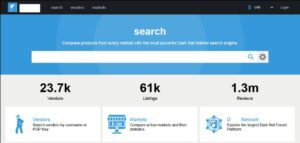
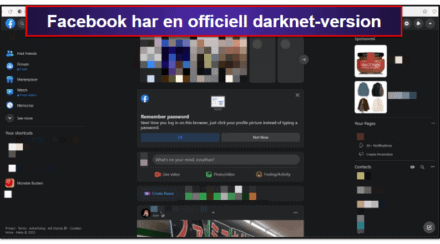
There are multiple search engines on the dark web that can help you find what you’re looking for. DuckDuckGo’s no-track dark web search service can be accessed in the Tor browser and is an excellent resource for information about the dark web. Social networks, such as Facebook, have created dark web versions of their sites to address privacy problems related to their surface web versions. ExpressVPN had created a .onion version of its website to allow greater privacy and anonymity for Tor browser users.
Best Practices For Staying Safe
There are numerous directories that host .onion links and websites, but you should always exercise caution. When accessing the dark web, the first step is to install a dark web-friendly browser on your computer. Unlike traditional browsers, this will route your internet traffic through an anonymizing network and mask your IP address. The dark web is home to the internet’s hidden sites, services, and products — some innocent, others downright dangerous. Read on to learn the pros and cons of the dark web, how to access it, and get tips for staying safe.
The internet’s favorite alternative to Google made a name for itself by not logging your search activity yet still providing decent results. This focus on privacy makes it the Tor Browser’s default search engine and one of the best onion search engines. Torch is one of the oldest and most popular onion search engines on the dark web, serving over 80,000 requests per day.
Don’t Provide Personal Information
While both are better than not using a VPN, it’s safer to use Tor with a VPN that doesn’t keep logs — this way, prying eyes won’t know that you’re on Tor; they’ll just know that you’re using a VPN. To prevent these types of dangers, I recommend browsing the dark web with a direct goal in mind — research specific sites ahead of time and keep a list of links that you can trust. Browsing the dark web puts you at risk of cyberattacks such as DDoS attacks, botnets, and other malware or viruses. By simply entering the wrong URL or accidentally downloading a malicious file, you could install infectious viruses or malware. This can have a detrimental impact on your device or, even worse, expose your personal information.
Unverified Content And Hoaxes
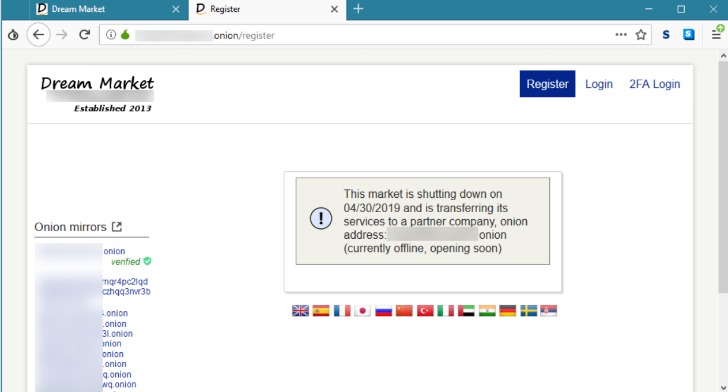
Even large, trusted organizations, like The New York Times and Wikipedia, have official dark web domains of their own. Understanding the Dark Web and its access tools, such as Tor, is crucial for anyone considering exploring these hidden parts of the internet safely and responsibly. The term “onion routing” reflects how layers of encryption are applied—similar to peeling layers from an onion.
If your incoming traffic passes through a node run by cybercriminals, they could inject malware into the response code. If your device is unprotected, you could be a victim of malware or a hacking attack. You can never be sure of the motive of the person operating the node that your traffic is routed through. Discovered pages are indexed in an extensive database and ranked based on numerous factors.
For IPhone Users
The dark web is a hidden part of the internet that requires a special browser like the Tor browser to access it. Normal search engines like Google and DuckDuckGo don’t index this part of the web due to its illegal nature. The dark web refers to websites that are not on the regular internet but are instead hidden in a private network that is only accessible using specialized web browsers, such as the Tor Browser. As was mentioned previously, Tor entry nodes can still see your IP address. If you want to mitigate that possibility, downloading a VPN is the best way to do so – it funnels your traffic through a private server and keeps your IP address hidden. There are plenty of services that offer a VPN over onion feature, which will keep you secure and private online.
- He was formerly the Chief Financial Officer and a principal shareholder of Apollo Solutions, Inc., which was acquired by CNET Networks.
- There are a lot of these sites across the dark web, which is why you have to be extra careful.
- NordVPN offers a 30-day, no-risk trial subscription when you sign up on this page.
- There are thousands of websites on the dark web, many—but not all—of which are illicit marketplaces selling stolen personal data.
- Tor browsers create encrypted entry points and pathways for the user, so dark web activity remains anonymous.
VPN-over-Tor (Limits And Niche Uses)

Just like in the old days of the internet, the dark web maintains numerous indexes of sites, like The Hidden Wiki. Haystak also offers a premium version that allows advanced search, access to historical content, and email alerts. Use disposable email accounts or look for a secure, anonymous email service.
Is The Dark Web Actually Anonymous?
The Deep Web is the vast part of the internet not indexed by search engines, encompassing everything that doesn’t appear in search results. This includes mundane things like private databases and paywalled sites. Accessing the Deep Web can get risky, so make sure to follow the best security practices to keep yourself protected online. You cannot access the dark web using regular browsers like Chrome, Edge, or Safari. You must use a secure web browser that prioritizes privacy and security and can access onion sites.
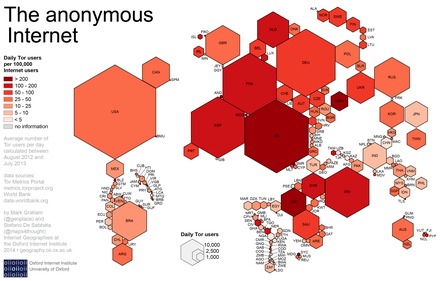
While Tor is an open-source project, your activity can still be traced back to your IP address. The best way to prevent your browsing activity from alerting authorities is to avoid sites with illegal activity altogether — another reason to only visit sites you’ve researched and trust. In an onion network, messages are encased in layers of encryption, much like the layers of an onion. The encrypted data is sent through a series of network-based nodes called onion routers. There are many excellent VPNs for the dark web, but my favorite is ExpressVPN because it’s the fastest on the dark web.
Additionally, NordVPN offers a DoubleVPN option that lets you use the Tor browser with two VPN connections simultaneously, which may reduce your internet speed. This is below the surface web and accounts for about 90% of all websites. This portion includes academic journals, private databases, and other content hidden from the public for various reasons.
Since Dark Web sites go up and down all the time, and figuring out the URL is pretty much impossible, even Dark Web search engines are notoriously unreliable! But if you are a blogger in say Beijing, you wouldn’t want your Dark Web site indexed anyway by a search engine for the government to track you. You would instead rely on word of mouth from trusted supporters to find you. Though not entirely shoddy, the dark web has a reputation for hosting illegal activities. It does support whistleblowers by offering them anonymity and secure communication in an oppressive regime. But navigating the dark web is full of cybersecurity and legal challenges.
The majority of the web is called the “deep web” (often referred to as the “invisible” or “hidden” web). The deep web is basically all the content that you can’t find using Google or Yahoo search. Did you know that Google only shows you a glimpse of all the websites that actually exist?