
Rapid urbanization and populace increase in nations like China and India pressure vast call for creation materials. In China, the government’s recognition on infrastructure development, less costly housing, and concrete growth has caused a high consumption of concrete blocks and bricks. The USA’s large construction projects, together with residential, business, and public infrastructure, preserve a strong market for these materials. The Indian authorities’ projects inclusive of “”Housing for All”” and smart metropolis initiatives significantly boost call for long lasting and cost-effective production substances like concrete blocks and bricks.
Bricks Market Poised For Growth With Expanding Construction And Urbanization Trends
And, of course, for its bargains and vintage clothing stalls that are dotted throughout this lovely lane. From Korean skewers to Ethiopian coffee and Injera bread, and classic British grub, you’ll find mouth-watering foods. If you’re a collector, and you’re planning to visit the auction houses and galleries here in the capital, be sure to add Brick Lane to your London streets tour itinerary. You’ll find a collection of independent vintage specialists selling jewellery, quirky bookstores, record shops, clothing outlets, and more. It offers a diverse mix of retail outlets such as cafes, boutiques, and different arts and crafts, from jewellery designs to wall art.
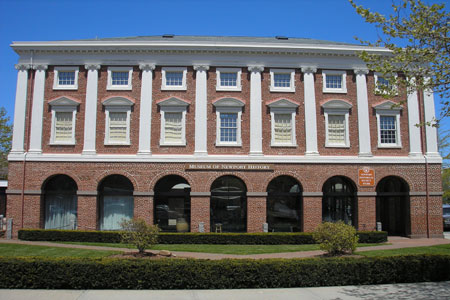
Museum Of Newport History At Brick Market
Sargent Vintage Interiors sells upcycled vintage furniture and Sarah Jones Antiques has everything in the world of antiques whether it be a rug or a bit of taxidermy… Plus, there’s Inland House offering vases, trinket trays and wicker furniture. The brick market is valued at USD 1.73 trillion in 2025 and is forecast to reach USD 1.99 trillion by 2030. Heidelberg Materials applies AI to real-time kiln monitoring, claiming 20% cement-use reductions extendable to masonry units. Forterra’s completion of Europe’s largest brick plant at Desford raises UK capacity and embeds advanced slip-extrusion lines for panelization compatibility.
What Is The Estimated Value Of The Brick Market?
Government policies and developmental activities involved in construction also facilitate the demand of these products since bricks form the core component of construction of roads, schools, hospitals and other structures. In an era where construction trends are shifting towards green building practices and cutting-edge design aesthetics, the lack of innovation in the bricks market poses a challenge. Infrastructure renewal and urban renewal in developed economies sustain the demand for high-quality bricks, which must strictly meet regulatory standards. However, the industrial brick-manufacturing industries in the major emerging markets depicted in rapid urbanization as an imperative are also experiencing a continuous surge in residential and commercial construction activities. The concrete segment is anticipated to expand at a significant CAGR of 4.1% during the projected period. In the bricks market, the concrete segment refers to bricks manufactured from cement, aggregates, and water.
Industry Verticals
- Sub-Saharan initiatives are catalysts for the brick market as authorities aim to solve acute shelter shortages.
- The building industry is the largest consumer of bricks worldwide due to the extensive share of brick masonry work used in walls, front elevations, and partitions.
- These policy shifts are compelling market participants to balance cost control with compliance and supply chain reliability.
- It is owned and operated by the Newport Historical Society at 127 Thames Street on Washington Square.
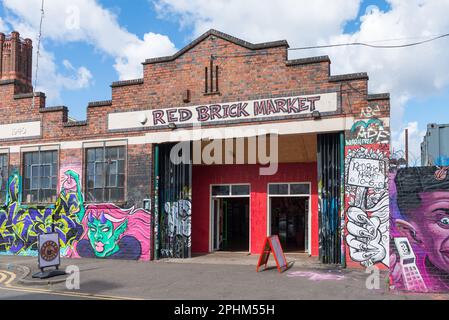
Red Brick Market acts as a department store alternative retail site where stallholders needn’t have to be present at their stall. With a central payment desk and staff employed by Red Brick Market on the floor, stallholders are able to come and go as they please and shoppers just pay on their way out whether they are there or not. Plus, small business owners are able to put their own stamp on their stall by decorating them however they see fit and giving them the edge in contrast to regular, council-led markets. At Introspective Market Research (IMR) Pvt Ltd, we deliver accurate and reliable business consulting solutions and market research reports tailored to various industries. Our focus on authenticity and innovation empowers businesses with data-driven insights for informed decision-making. Carbon-tax exposure from the EU ETS and the Carbon Border Adjustment Mechanism raises production costs, pushing firms to adopt low-carbon fuels and efficient kilns.
The global bricks market size accounted at USD 1.74 trillion in 2024 and is expected to be worth around USD 2.36 trillion by 2034, at a CAGR of 3.09% from 2025 to 2034. Different regions around the world have their own brick manufacturing traditions, leading to unique brick types and production methods. For instance, traditional hand-made bricks in some parts of the world coexist with highly automated brick manufacturing facilities in others.
INDUSTRIAL DEVELOPMENT
Economic volatility or other geopolitical factors can exacerbate the foregoing challenges and impact market dynamics in an unpredictable way. Moreover, the trend towards vertical urbanization, seen in the construction of high-rise buildings, further amplifies the reliance on bricks as a fundamental construction material. Bricks provide structural integrity, fire resistance, and insulation essential qualities in dense urban environments.
Brick Market Key Segments:
- With a focus on durability and resilience, North America continues to be a significant market for bricks, particularly in residential and commercial construction projects.
- If you are not great with directions, you can download the citymapper app to guide you from the station to the Brick Lane Sunday markets.
- This makes their flexibility can encompass different type of bricks ranging from clay bricks, concrete bricks and additionally new age experimentative ,environmentally friendly bricks.
- Also, regional regulatory policies and building codes will significantly contribute towards changing the market scenario and encouraging the adoption of green building materials such as bricks.
- Upon returning to the colonies, he designed several prominent buildings in New England, including King’s Chapel in Boston, Christ Church in Cambridge, and the Redwood Library and Touro Synagogue here in Newport.
Modern construction techniques incorporate innovative materials, such as interlocking bricks or those made from recycled materials, to enhance sustainability. Despite advancements in construction technology, traditional bricks continue to play a crucial role in the global building industry, symbolizing resilience and endurance in architectural heritage. In this regard, technological development became the main and simultaneously the capstone force in the historical process of brick making. Automated production lines and ecological ways of production reshaped the character of this industry.
A Footnote: Brick Lane London Market
Quantitative analyses are validated through statistical triangulation, whereas qualitative themes are vetted by subject-matter experts and external reviewers for consistency and relevance. Global Brick market is estimated to reach $2,150,951.24 Million by 2031; growing at a CAGR of 3.1% from 2024 to 2031. Some of the major players in the Bricks market are Wienerberger AG, Boral Limited, CRH plc, Acme Brick Company Inc., and General Shale, Inc. To address this, The Brick Market Foundation was established in 1989 with Ralph E. Carpenter, Jr. as president, and Ronald Dick as Vice President. An underground geothermal heating and cooling system was installed during this process.44 Mounting the exhibit would take another year and cost approximately $500,000.
Based on type, the bricks market is segregated into clay bricks, concrete bricks and blocks, calcium silicate bricks, autoclaved aerated concrete bricks, fly ash bricks, and stone bricks. The clay bricks segment accounted for a major share of the market in 2022 due to the growing construction of residential buildings and houses. Clay bricks are durable, reusable, free from contaminants, and naturally resistant to pests or fire, which makes them suitable for building houses. Autoclaved aerated concrete bricks have excellent durability and thermal insulation properties that keep the building cooler and prevent outside heat from entering. Additionally, these bricks reduce construction time as they are lightweight and easy to easy-to-use design.
Global Brick Market Is Estimated To Reach $2,150,95124 Million By 2031
The construction boom in countries such as China and India further solidifies Asia-Pacific as a key market for bricks, with the potential for continued expansion in the future. The market is highly competitive, driven by a combination of established players, regional manufacturers, and innovative startups. The focus on sustainability and eco-friendly construction practices has spurred innovation in the market. Startups and smaller manufacturers have entered the market with a focus on producing environmentally responsible bricks. These companies are developing bricks made from recycled materials, low-energy manufacturing processes, and eco-friendly designs.
The SPER Market Research report seeks to give market dynamics, demand, and supply forecasts for the years up to 2030. Whether in gardens or parks, or even in urbanwalkways, bricks provide a hardwearing surface for pedestrian traffic. They bring outdoor spaces into their own with a touch of elegance to the visible surroundings, thereby wedding utility with beauty.